
dreamjili - Understanding Jueteng: Exploring the Complexity of an Illicit Numbers Game
Discover the intricate dynamics of jueteng, the deep-rooted illicit numbers game in the Philippines, and its impact on socio-economic and cultural facets.
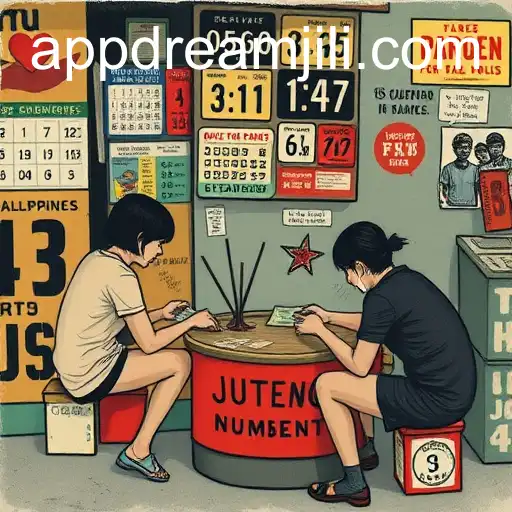
Understanding Jueteng: Exploring the Complexity of an Illicit Numbers Game
Jueteng, a deeply rooted numbers game in the Philippines, has persistently withstood the test of time and governmental regulations. This illicit lottery thrives on the aspirations and dreams of many Filipinos, holding a significant presence in both rural and urban landscapes. The term 'dreamjili', often associated with this clandestine activity, reflects the intertwining of hope and fortune that attracts countless individuals despite its illegal status.
Jueteng: A Brief History
Originally deriving from China, jueteng found its way to Philippine shores and embedded itself into the local culture. Historically significant, this game of chance began to gain traction during the Spanish colonial era, evolving over the years into a widespread underground operation. Despite numerous government crackdowns, jueteng continues to flourish, illustrating its entrenchment in the socio-economic fabric of the nation.
The Mechanics of Jueteng
Jueteng operates on the simple premise of betting on two numbers between 1 and 37. Often likened to a lottery, participants pick their numbers and await a random draw. The combination of numbers, colloquially known as 'jueteng numbers', are generated through various means, some as primitive as spinning a roulette-like wheel or drawing from an opaque container. Bets are collected by 'kubradors', individuals responsible for gathering wagers from participants. Meanwhile, 'maintainers' manage the collection and distribution of winnings, facilitating the game's continuity and ensuring the clandestine operation remains profitable and discreet.
The Economic Impact of Jueteng
While illegal, jueteng significantly contributes to the informal economy in the Philippines. For many, it provides a supplemental source of income, particularly in impoverished communities where employment opportunities are scarce. The monetary allure of jueteng cannot be overstated, with reports suggesting a voluminous circulation of cash, further driving its appeal amidst economic hardships.
Jueteng's infiltration into local economies highlights the challenges faced by authorities in eradicating it. With financial incentives so closely tied to community sustenance, the game's survival seems inevitable. Efforts to suppress jueteng often face resistance and resentment from those who rely on it for their livelihoods. Consequently, the clandestine nature of jueteng inadvertently contributes to its persistence, allowing it to evolve and adapt over time to evade detection and elimination.
Socio-Cultural Dimensions
The continuous popularity of jueteng underscores its deep-rooted cultural significance. The game is more than just an illicit activity; it represents an aspect of communal identity and solidarity. In many communities, jueteng serves as a social equalizer, where people from various economic backgrounds converge in the shared hope of transforming a dream into reality. Herein lies the essence of 'dreamjili', a term reflecting the core of jueteng's appeal. In Spanish, 'juego' means game, and 'ilusión' indicates illusion or dream, highlighting the dream-like allure that captivates participants.
The cultural perception of jueteng often varies. For some, engaging in jueteng is an innocuous pastime, akin to engaging in traditional games that foster community bonds. Others view it as a necessary risk for economic gain, particularly under dire conditions where alternatives seem nonexistent. This duality presents challenges in public discourse, complicating efforts to implement lasting reforms.
The Legal and Political Landscape
The illegality of jueteng presents significant dilemmas for policymakers and law enforcement. Despite longstanding prohibition, enforcement remains inconsistent, hampered by corruption and bureaucratic inertia. Historically, numerous political scandals have emerged, alleging ties between public officials and jueteng operators, exposing deep-rooted corruption that exacerbates the challenge of curbing this illicit activity.
Efforts to legalize and regulate jueteng have surfaced intermittently, proposing integration into official state-sanctioned lotteries as a means of eliminating the underground network. Proponents argue that such measures could redirect funds towards public welfare initiatives, offering a pragmatic approach to addressing both regulation and revenue generation. However, these proposals are often met with skepticism and opposition, grappling with moral and ethical considerations intertwined with gambling.
Technological Advancement and Jueteng
The digital era poses new dynamics for jueteng, as technology infiltrates traditional gaming structures. Smartphones and mobile applications offer novel platforms for placing bets, potentially broadening jueteng's reach while enhancing the anonymity of transactions. However, this shift also introduces complications for law enforcement agencies striving to monitor and control illegal gambling activities.
As technological integration evolves, discussion around the modernization of gambling regulation becomes increasingly pertinent. Whether adapting existing frameworks to accommodate technological advancements or exploring innovative solutions, addressing the complexities introduced by digital transformation remains critical to ensuring equitable enforcement and governance.
The Future of Jueteng Amid Challenges
Understanding the intricate dynamics of jueteng is crucial in evaluating its future trajectory. As socioeconomic pressures persist, jueteng's allure as a potential escape from poverty will likely endure. Balancing regulatory efforts with an acknowledgment of cultural and economic realities poses a formidable challenge for policymakers. Ultimately, navigating these complexities necessitates holistic and empathetic strategies, embracing both legal reform and socio-economic development to address the multifaceted nature of jueteng and its role within Philippine society.








GOLD VIP
Minimum deposit: ₱1,500
- ✅ 150% bonus on all deposits
- ✅ Priority withdrawal in 1 minute
- ✅ 10% cashback weekly
- ✅ VIP support 24/7
- ✅ Higher betting limits
PLATINUM VIP
Minimum deposit: ₱6,000
- ✅ 200% bonus + all Gold benefits
- ✅ Instant withdrawal 24/7
- ✅ 15% cashback weekly
- ✅ Exclusive VIP table in casino
- ✅ Special event invitations
DIAMOND VIP
Minimum deposit: ₱30,000
- ✅ 300% bonus + all previous benefits
- ✅ Dedicated personal manager
- ✅ 20% cashback weekly
- ✅ Unlimited withdrawal limits
- ✅ Exclusive trips and gifts
🚀 Register NOW and Get ₱15,000 Bonus!
⏰ LIMITED TIME OFFER! Join over 1.2 million players who have already discovered why dreamjili is the #1 betting platform in the Philippines. Registration in 30 seconds, first withdrawal in 2 minutes!
💬 What our players say
"Best platform I've ever used! GCash withdrawal in 2 minutes, amazing support!"
- Carlos M., Manila ⭐⭐⭐⭐⭐
"Won ₱45,000 on Gates of Olympus! They paid everything correctly via GCash."
- Ana L., Cebu ⭐⭐⭐⭐⭐
"VIP system is amazing! I have a personal manager and cashback every week."
- Roberto S., Davao ⭐⭐⭐⭐⭐
PAGCOR License
SSL 256-bit
eCOGRA
BSP Approved